Runosong
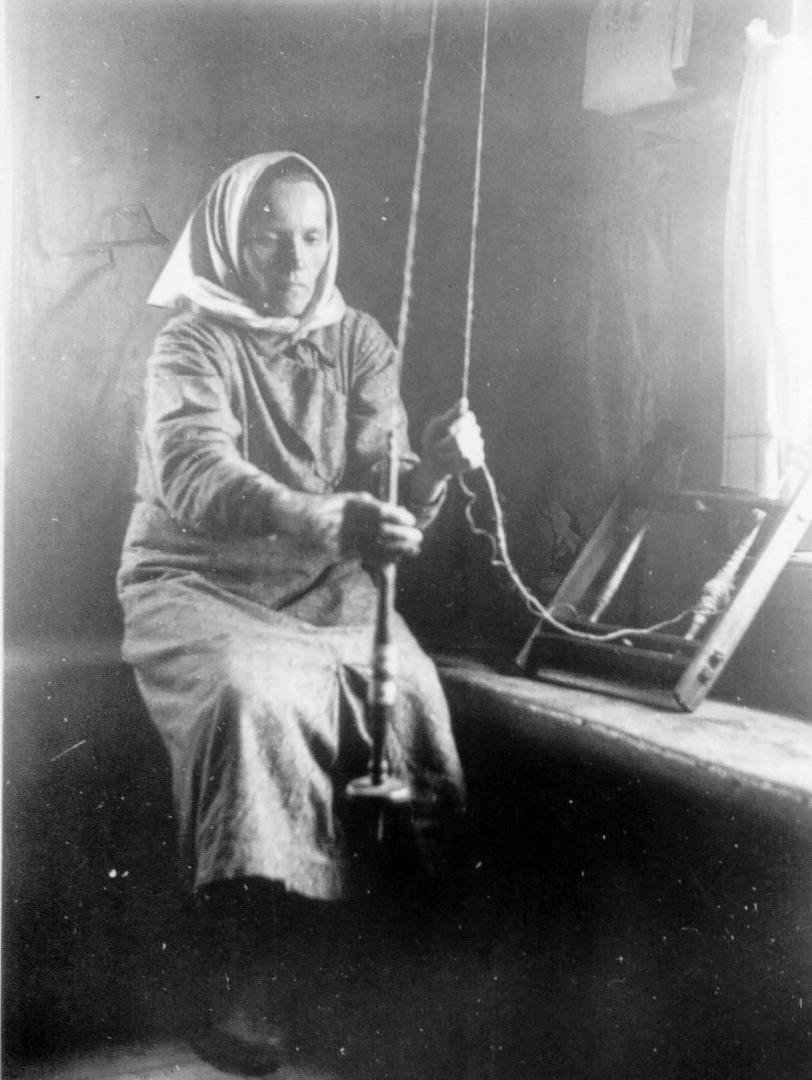
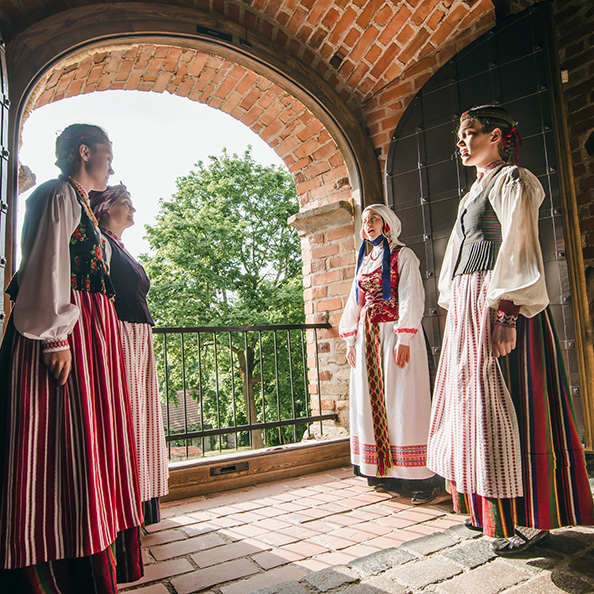
The runosong tradition is considered to be at least 2,000 years old and represents one of the oldest forms of oral poetry and singing in Northern Europe. Runosongs were traditionally sung across a wide Finnic cultural area, including present-day Finland, Karelia, Ingria, and Estonia. The songs are characterised by a distinctive poetic metre, parallelism, repetition, and a close connection between text, melody, and rhythm. Runosongs were typically performed without instrumental accompaniment or with simple instruments, and singing often took place in pairs or small groups.
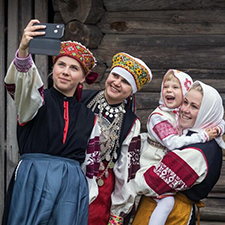
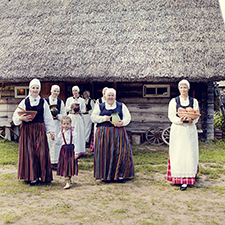
In Estonia, the Seto people preserve leelo, a distinctive local variation of runosong, demonstrating how the shared Finnic singing tradition developed regional forms while maintaining common poetic structures. Over time, runosong gradually disappeared from western Finland but remained alive in eastern regions, especially in Karelia, where oral transmission continued well into the 19th century.
The best-known work based on runosongs is the Finnish national epic, Kalevala. In the 19th century, Elias Lönnrot collected thousands of runosongs from Karelia and neighbouring areas. From this extensive oral material, he compiled the Kalevala, shaping individual poems into a coherent epic narrative. Although written down, the Kalevala remains deeply rooted in the sung tradition from which it emerged.
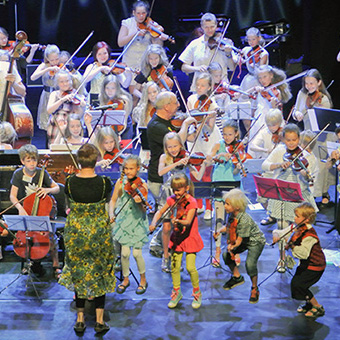
Today, runosong continues to inspire contemporary culture. Artists across disciplines — including musicians, dancers, composers, and visual artists — draw on its themes, poetic structures, and melodies. From traditional folk music to experimental performances and heavy metal, runosong remains a living source of creativity and cultural identity.