FINLAND
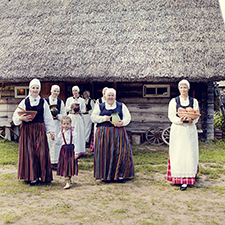
The early ancestors of the Finns settled in the area of present-day Finland soon after the end of the last ice age. Communities gradually formed around lakes, rivers, and forests, and everyday life followed the rhythms of nature. Long before written language became common, knowledge, beliefs, and shared history were passed on through oral tradition and song.
Today, Finland has a population of around 5.5 million people and is one of the smaller countries in Europe. Despite its size, Finland is a stable and prosperous society, known for its strong education system, a well-functioning democracy, and a high level of social trust.
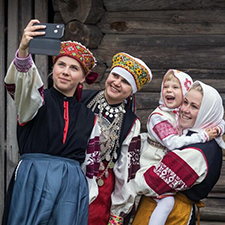
Finnish folk traditions and cultural heritage are deeply rooted in singing and oral poetry. The most significant expression of this heritage is the national epic, Kalevala. The poems that make up the Kalevala originate from eastern Finland, especially the Karelia region, where hundreds of rune singers preserved ancient runo songs through oral transmission. In the 19th century, Elias Lönnrot travelled extensively in these areas, collecting and compiling the poems into the Kalevala.
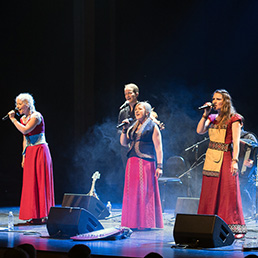
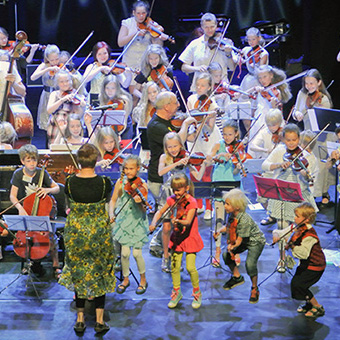
Singing, poetry, and music form a unified tradition in Finnish culture. Finland’s national instrument, the kantele, is already mentioned in the Kalevala and is closely associated with Väinämöinen, the central figure of the epic, whose kantele playing was believed to move people, animals, and nature itself. This tradition continues to live on in modern folk music, choral singing, and contemporary genres, where ancient poetic themes still resonate.
Finnish traditions coexist naturally with modern life. Another key element of Finland’s intangible cultural heritage is sauna culture. For centuries, the sauna has been a place for cleansing, social interaction, storytelling, and reflection. Finnish sauna culture was the first Finnish tradition to be inscribed on UNESCO’s Representative List of the Intangible Cultural Heritage of Humanity, recognising it as a living cultural practice passed down through generations.
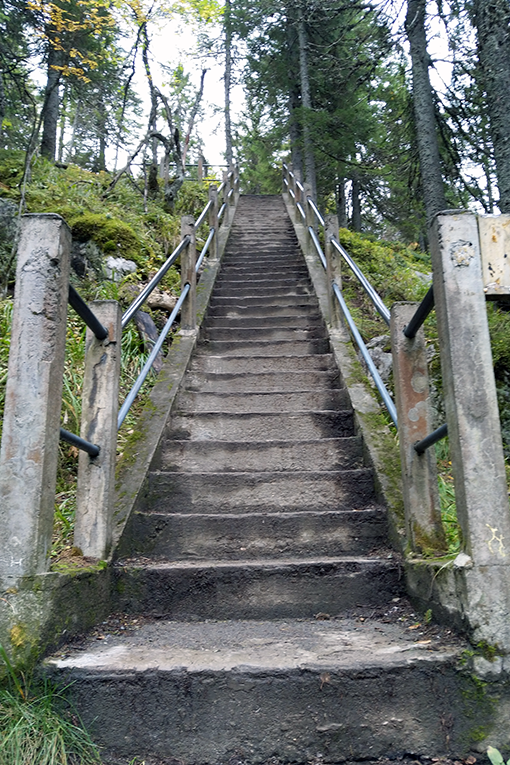
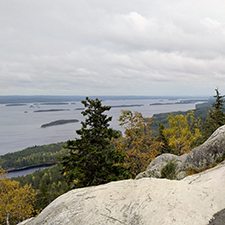
Nature holds a central place in Finnish life and worldview. Approximately 75 percent of Finland is covered by forest, and the country has over 180,000 lakes. Forests and waters have long been sources of livelihood, spiritual meaning, and well-being. Even today, Finns actively enjoy nature through outdoor activities, berry and mushroom picking, and swimming throughout the year.
This close relationship with nature, together with strong social trust, shared traditions, and a living singing heritage, may help explain why Finland has been ranked the world’s happiest country for the eighth time.