Lithuania for Culture Lovers
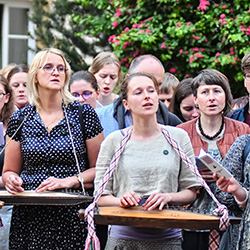
On the Route of Singing Heritage you can find also other culture items. From Lithuania visitors are able to find different kind of museums, unique cities and marvelous parks.
You are also able to learn how to make beer and taste different labels from small breweries.
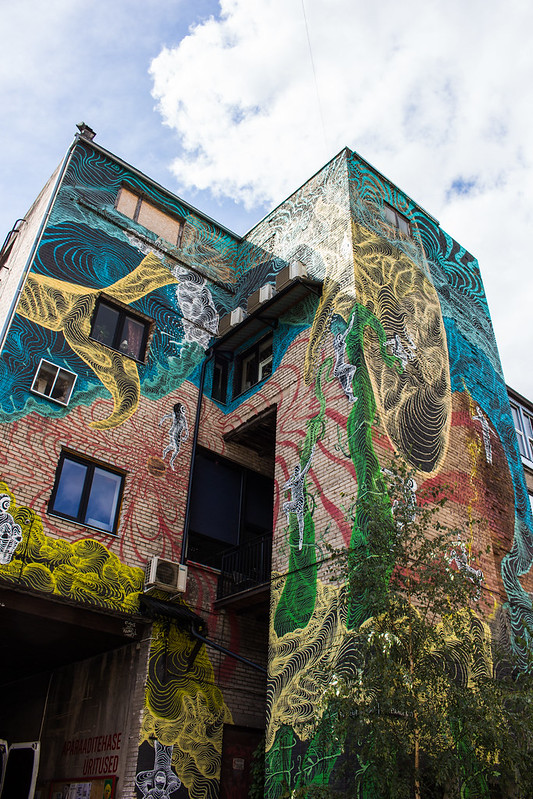

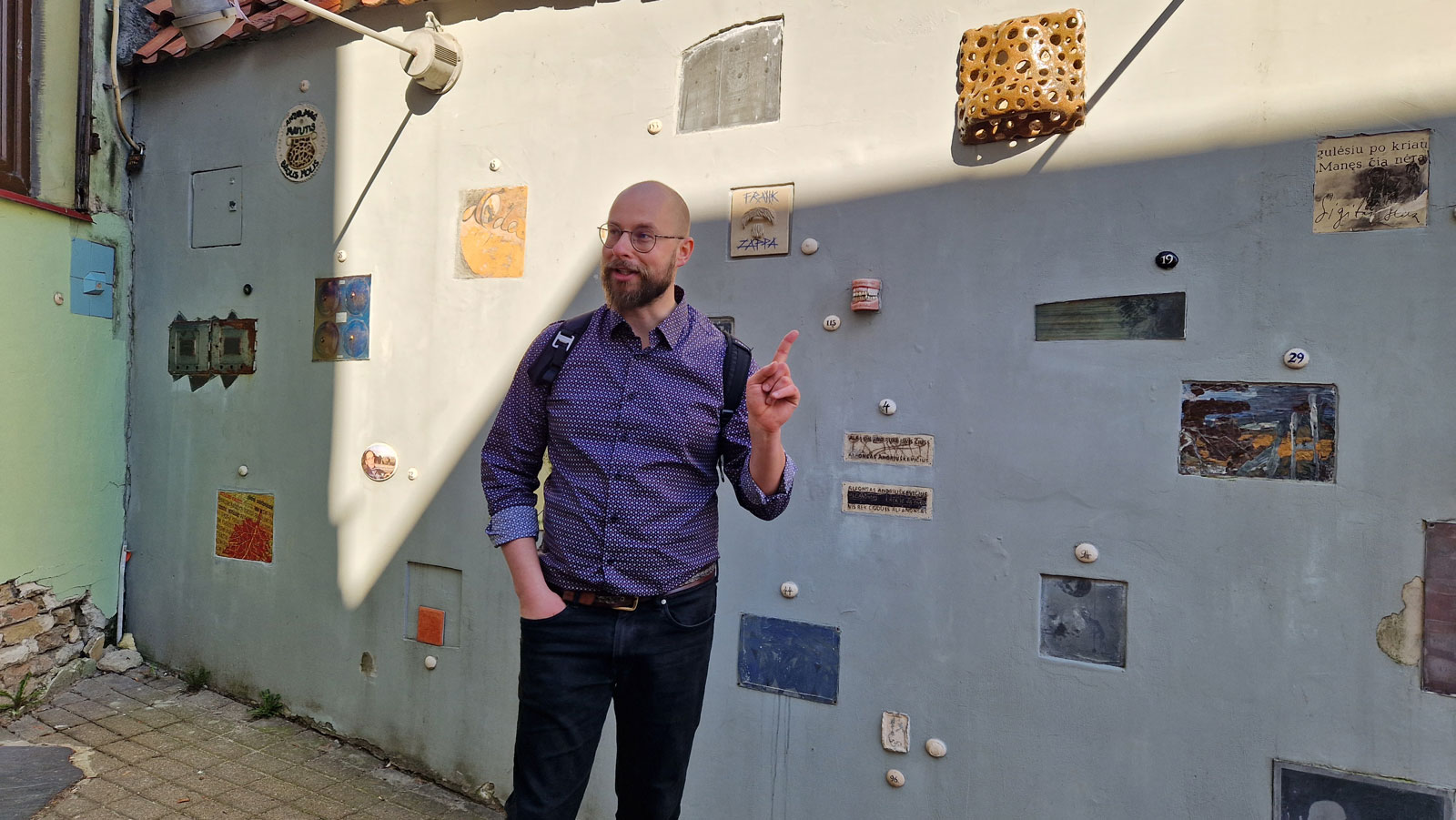
Vilnius Old Town
The Vilnius Old Town is a UNESCO World Heritage Site (inscribed in 1994) that preserves a charming medieval street plan. Its buildings date from the 14th to the 18th centuries, where Gothic, Renaissance, Baroque, and Neoclassical styles stand side by side. As a former key center of the Grand Duchy of Lithuania, it remains one of Europe’s largest surviving historic old towns.
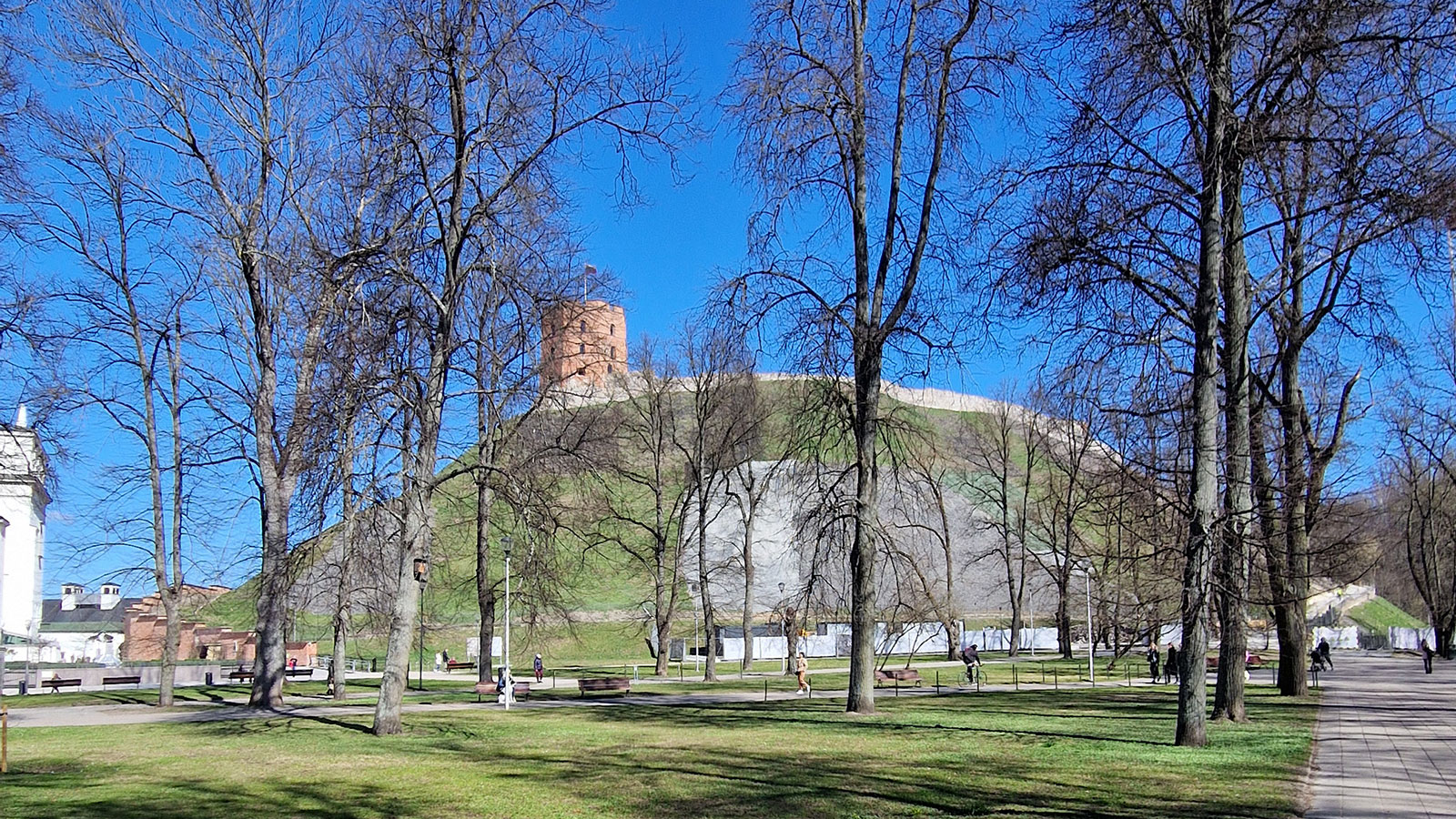
Gediminas’ Tower
Gediminas’ Tower is the last remaining part of the 14th-century Upper Castle. Overlooking Vilnius from Gediminas Hill, the tower serves as a national symbol of Lithuanian statehood. Today, it houses a branch of the National Museum of Lithuania and remains deeply linked to the city’s founding legend.
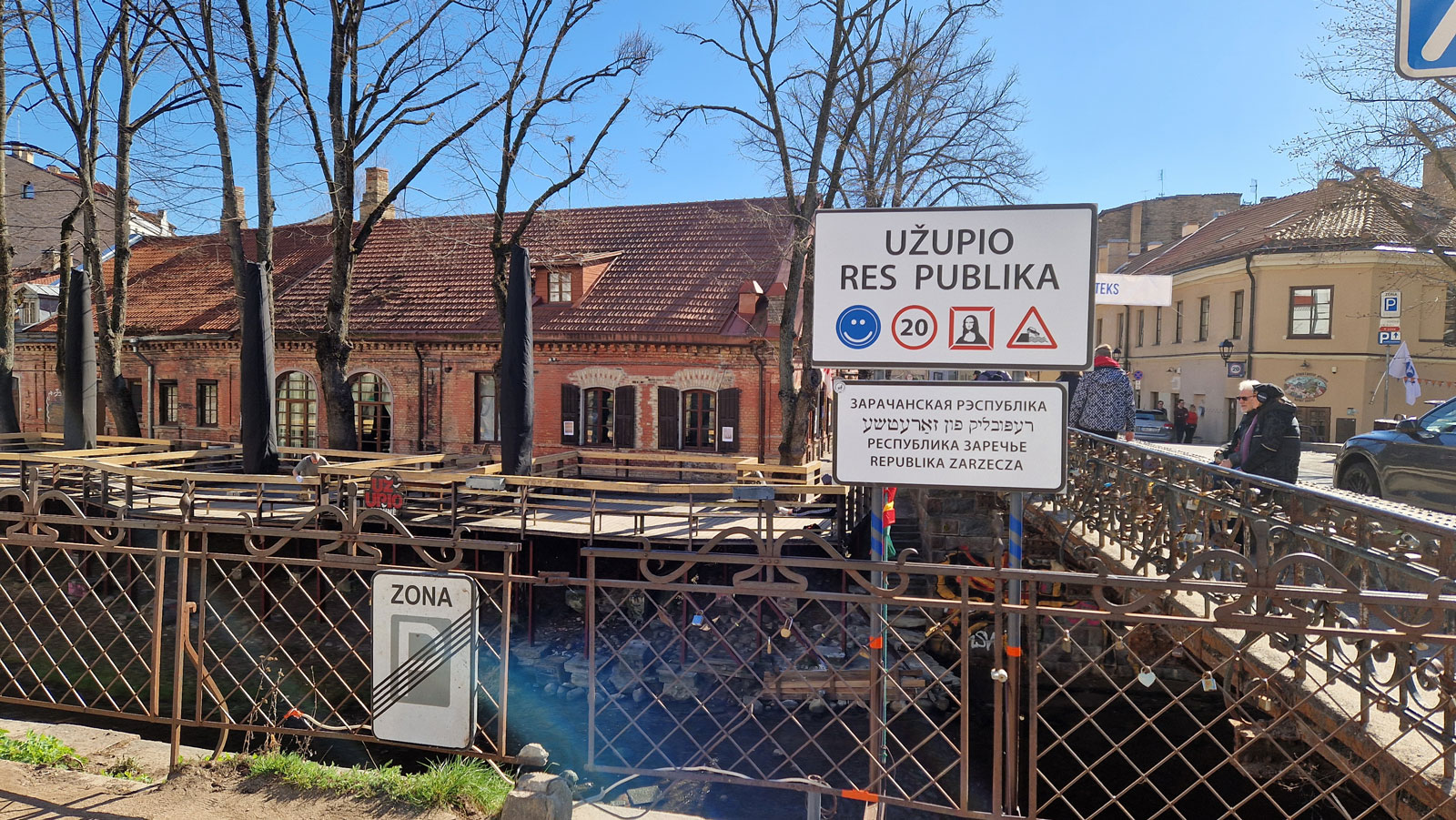
The Užupis District
In 1997, the Užupis district declared symbolic independence, calling itself the Republic of Užupis. Its unique constitution is displayed in many languages throughout the area, which is famous for its artists’ studios, galleries, and public art. To this day, the district represents creative freedom and civic expression in modern Vilnius.
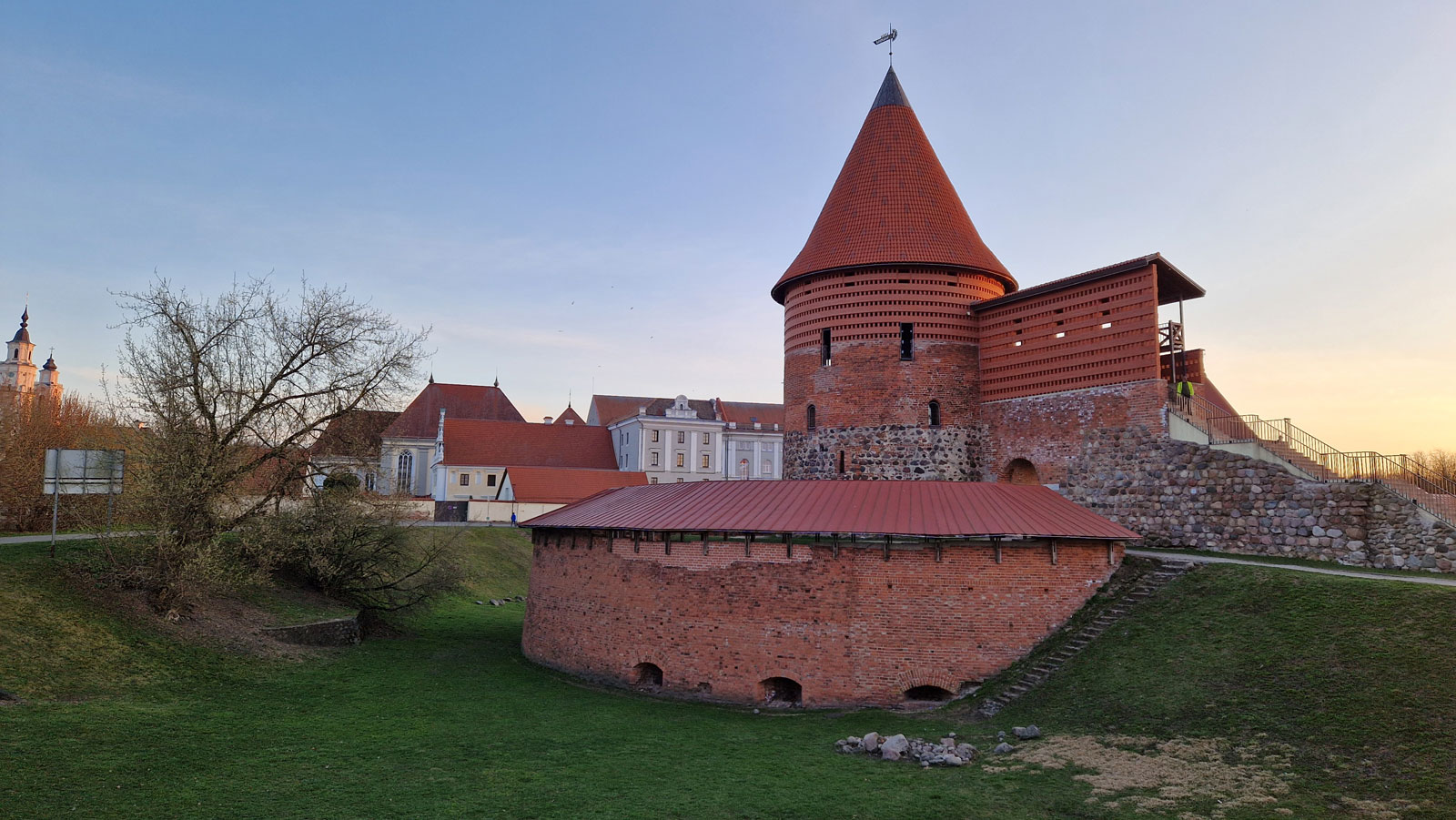
Kaunas
As Lithuania’s second-largest city, Kaunas served as the nation’s temporary capital from 1919 to 1940. During this era, the city developed a strong modernist identity; consequently, “Modernist Kaunas: Architecture of Optimism, 1919–1939” was inscribed on the UNESCO World Heritage List in 2023. Beyond its modernism, the city also preserves a medieval Old Town and several major museums.
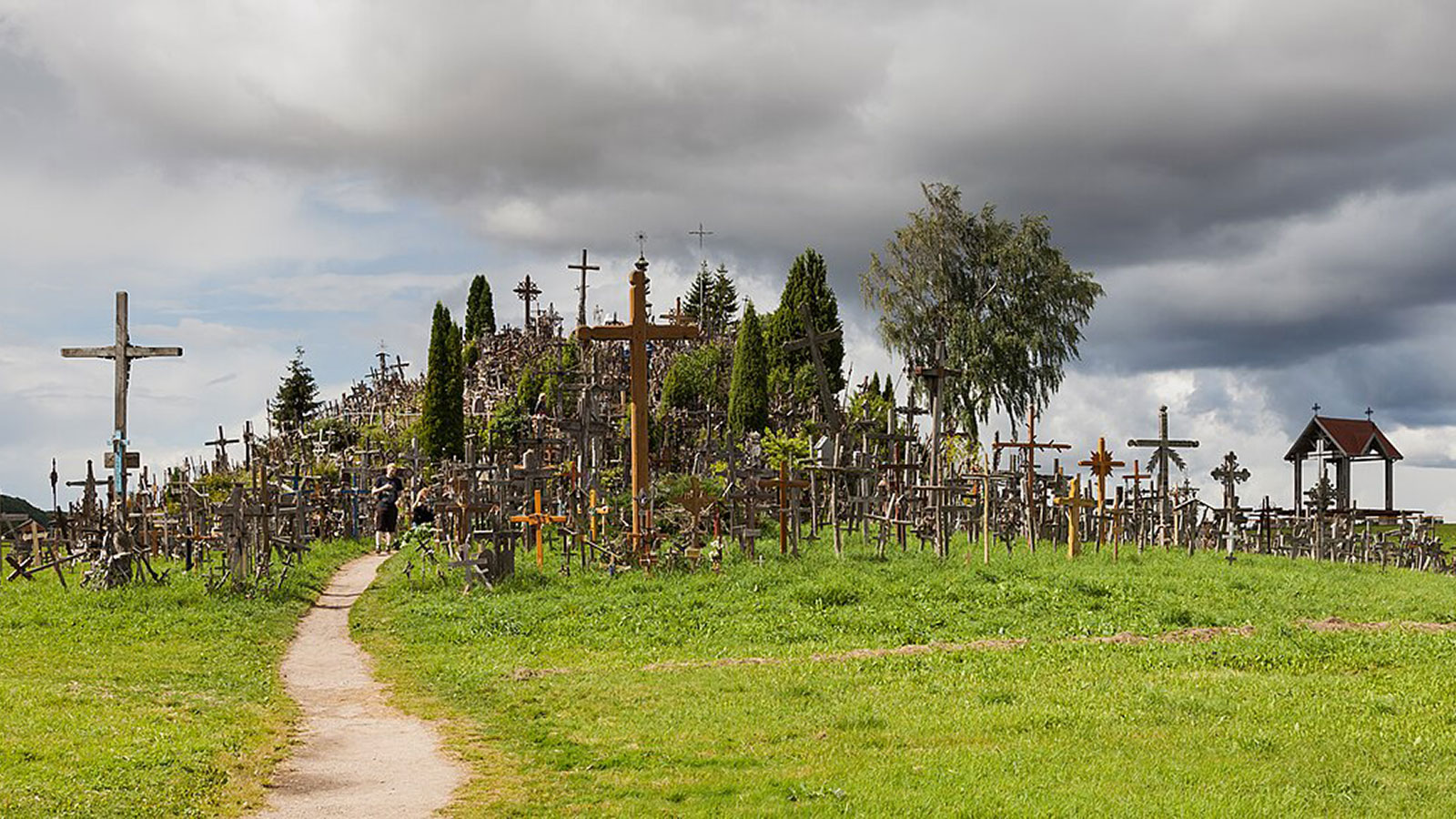
The Hill of Crosses (Kryžių Kalnas)
Located near Šiauliai, the Hill of Crosses has been a site of pilgrimage since the 19th century. It evolved into a powerful symbol of faith and resistance, as the tradition continued even after Tsarist and Soviet authorities repeatedly tried to remove the crosses. The site gained significant global attention following a visit by Pope John Paul II in 1993.
Events