Norway for Culture Lovers
Sauna and food in East Finnmark
In Bugøynes, sauna culture has long been an integral part of everyday life. Maintained by Finnish-speaking families, the sauna was important for cleanliness, rest, reflection, healing, and storytelling.
Today, the sauna has also become an important tourist attraction. Jäämeren Sauna (The Arctic Ocean Sauna) has become a local trademark.
Food traditions in Bugøynes reflect the same close relationship between nature and culture. The village is especially known for its king crab cuisine, which has become a culinary symbol of the Barents Sea coast. At the local bistro, king crab is prepared with a blend of coastal Norwegian practices and Finnish-influenced simplicity, highlighting freshness and local pride.
What was once an invasive species has become a defining element of Bugøynes’ contemporary food identity and a major part of the fishing industry, which first developed here in Little Finland.
What makes Bugøynes especially unique is that it was not burned to the ground during the Second World War. As one of the very few places that escaped the scorched-earth destruction carried out during the Nazi withdrawal from Northern Norway in 1944–45, the village has preserved Finnish-style buildings dating from before the war.
This also benefited nearby Vadsø, the county capital of Finnmark, which is often regarded as the cultural capital of Finnish and Kven communities in Norway. Further east lies Kirkenes, a border town shaped by Norwegian, Finnish, Sámi, and Russian influences.
Museum
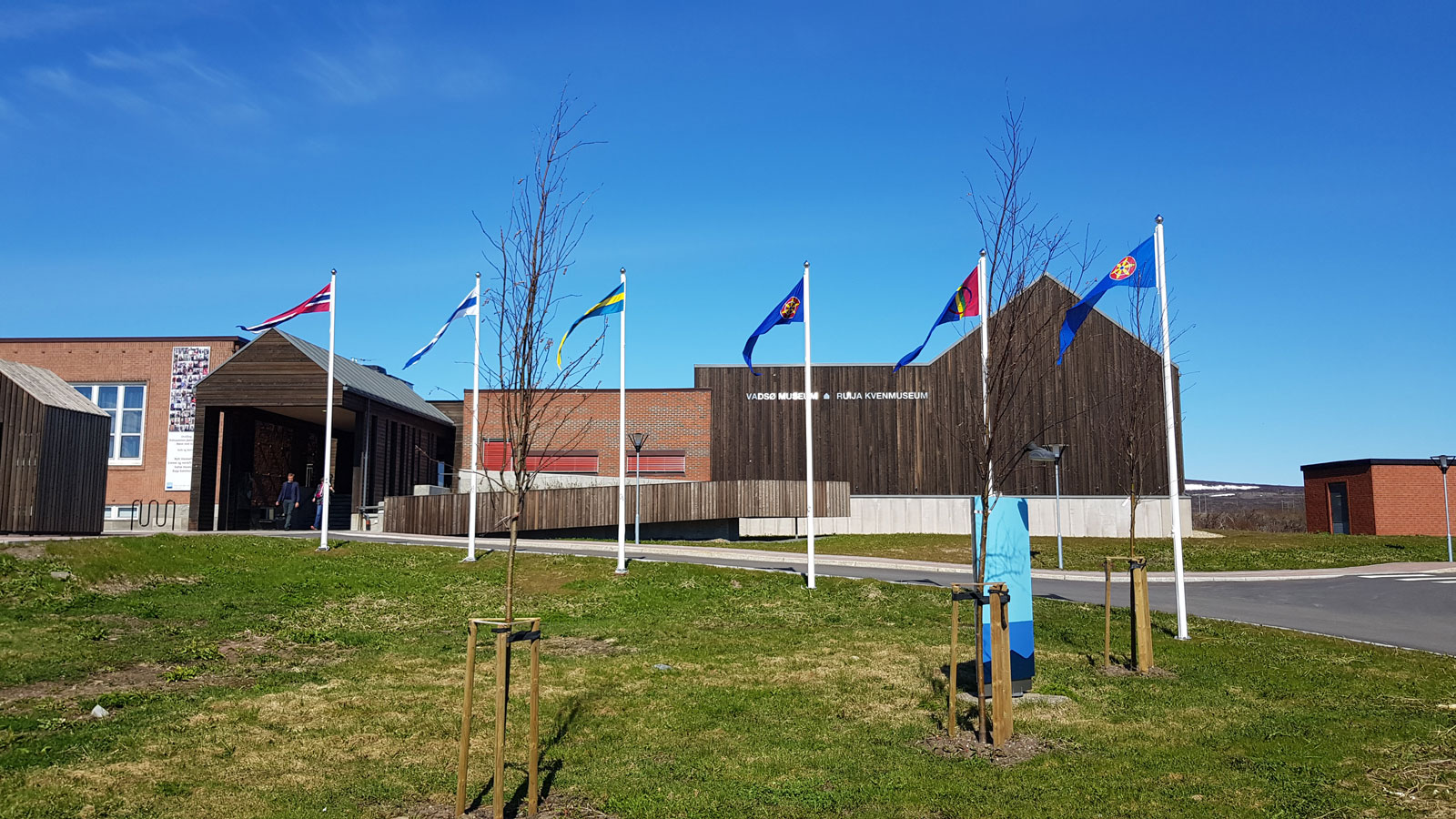
Vadsø Museum – Ruija Kven Museum
The national Kven museum presents Kven and Finnish cultural heritage in Northern Norway. Song, language, and oral traditions express migration, work, and community, showing how music has carried memories and identity across generations.
https://www.varangermuseum.no/besok-oss/besokssteder/grensen-1/
Vardø Museum
Vardø Museum presents coastal culture, trade, and cross-border contact in the east. Songs, melodies, and stories reflect a multilingual society where music accompanied seafaring, work, and everyday life in a historic meeting place between peoples.
https://www.varangermuseum.no/besok-oss/besokssteder/pomormuseet/
Grenselandmuseet (Borderland Museum)
Located in Kirkenes, Grenselandmuseet tells the story of a diverse border region shaped by migration, industry, and war. Song and music have been important expressions of community, experience, and cultural continuity across languages.
https://www.varangermuseum.no/besok-oss/besokssteder/grenselandmuseet/
Skolt Museum
The Skolt Museum in Neiden presents Skolt Sámi cultural history. Song, joik, and oral tradition show how music, language, and landscape are interwoven in everyday life, rituals, and the transmission of culture between generations.
https://dvmv.no/en/vv-skoltesamisk-muse/avv-skoltesami-museum/