LATVIA
Latvia is one of the three Baltic countries in Northern Europe, located between Estonia and Lithuania, with a long coastline along the Baltic Sea. Its territory has been inhabited since the end of the last Ice Age, and distinct regional cultures gradually developed across forests, river valleys, and coastal areas. The capital, Riga, is the largest city in the Baltic States and an important historical and cultural center, known for one of Europe’s finest collections of Art Nouveau architecture.
Today, Latvia has a population of around 1.9 million people. After restoring independence in 1991, the country has been a democratic parliamentary republic and is a member of the European Union and NATO.
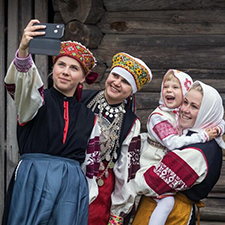
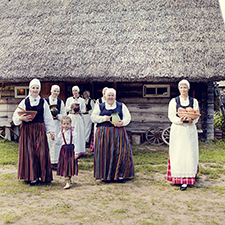
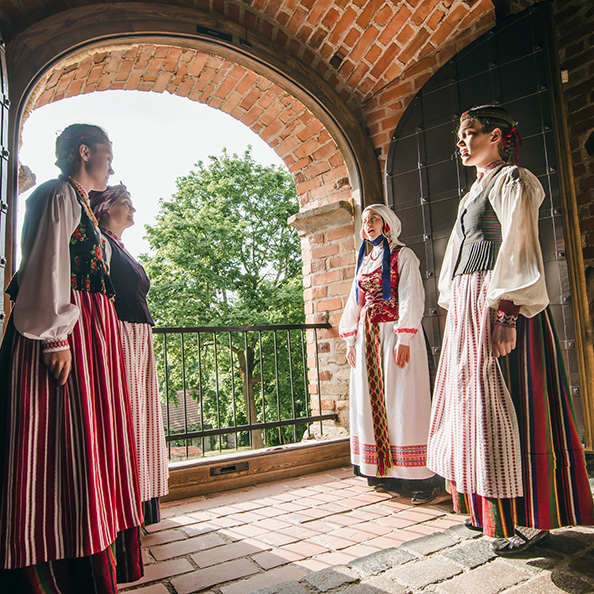
Latvia is historically divided into five cultural regions – Kurzeme, Vidzeme, Zemgale, Sēlija, and Latgale – each with its own distinct cultural heritage, traditions, and historical development, which together shape the country’s rich and diverse identity. Latvian society combines strong regional traditions with a modern European outlook.
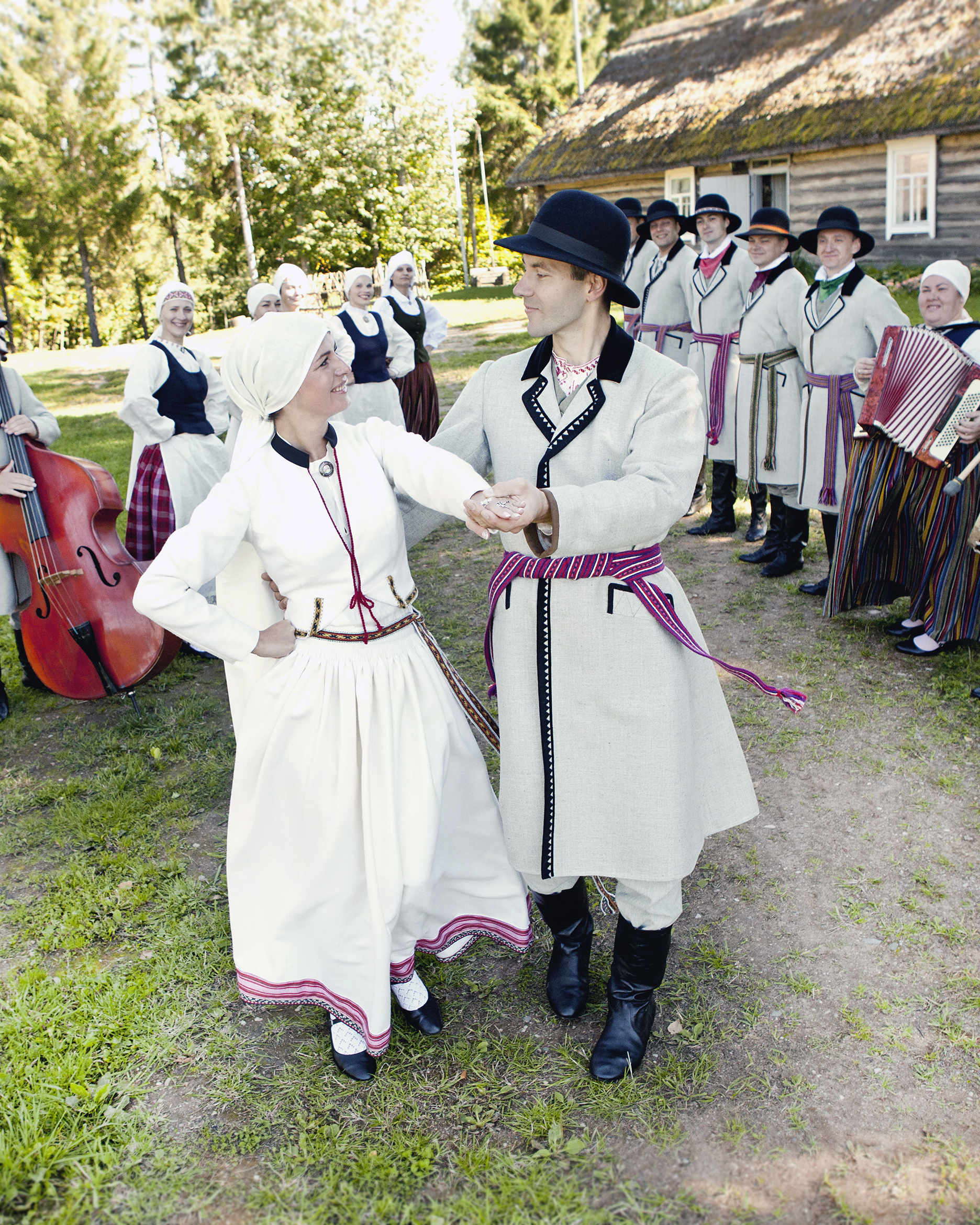
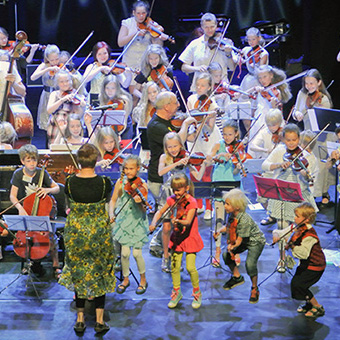
Latvia is often called a “Singing Nation.” The country preserves an extraordinary collection of more than one million traditional dainas (folk song texts), and every five years tens of thousands gather in Riga for the nationwide Song and Dance Celebration — a UNESCO-recognized cultural tradition that played an important role during the Baltic “Singing Revolution.”
Ancient seasonal traditions also remain strong. During Jāņi (Midsummer), much of the country celebrates with bonfires, wreaths, songs, and rituals rooted in pre-Christian heritage.
Nature remains central to everyday life. Around half of Latvia is covered by forest, and the country is rich in rivers, lakes, and sandy Baltic Sea beaches. In western Latvia, Ventas Rumba — the widest waterfall in Europe — reflects the country’s distinctive natural landscape.
This close relationship between landscape, tradition, and community continues to shape Latvia’s cultural character today.