Latvia for Culture Lovers
Latgale is one of the richest regions of singing heritage in Latvia—a land where song remains an integral part of everyday life, celebrations, and spiritual traditions. The Singing Heritage Route in Latgale connects towns and rural areas, leading visitors through places where folklore, traditional music, craftsmanship, faith, and nature form a unified cultural space—from Balvi, Viļaka, and Kārsava to Ludza, Rēzekne, Krāslava, Augšdaugava, and Daugavpils.
Balvi Municipality
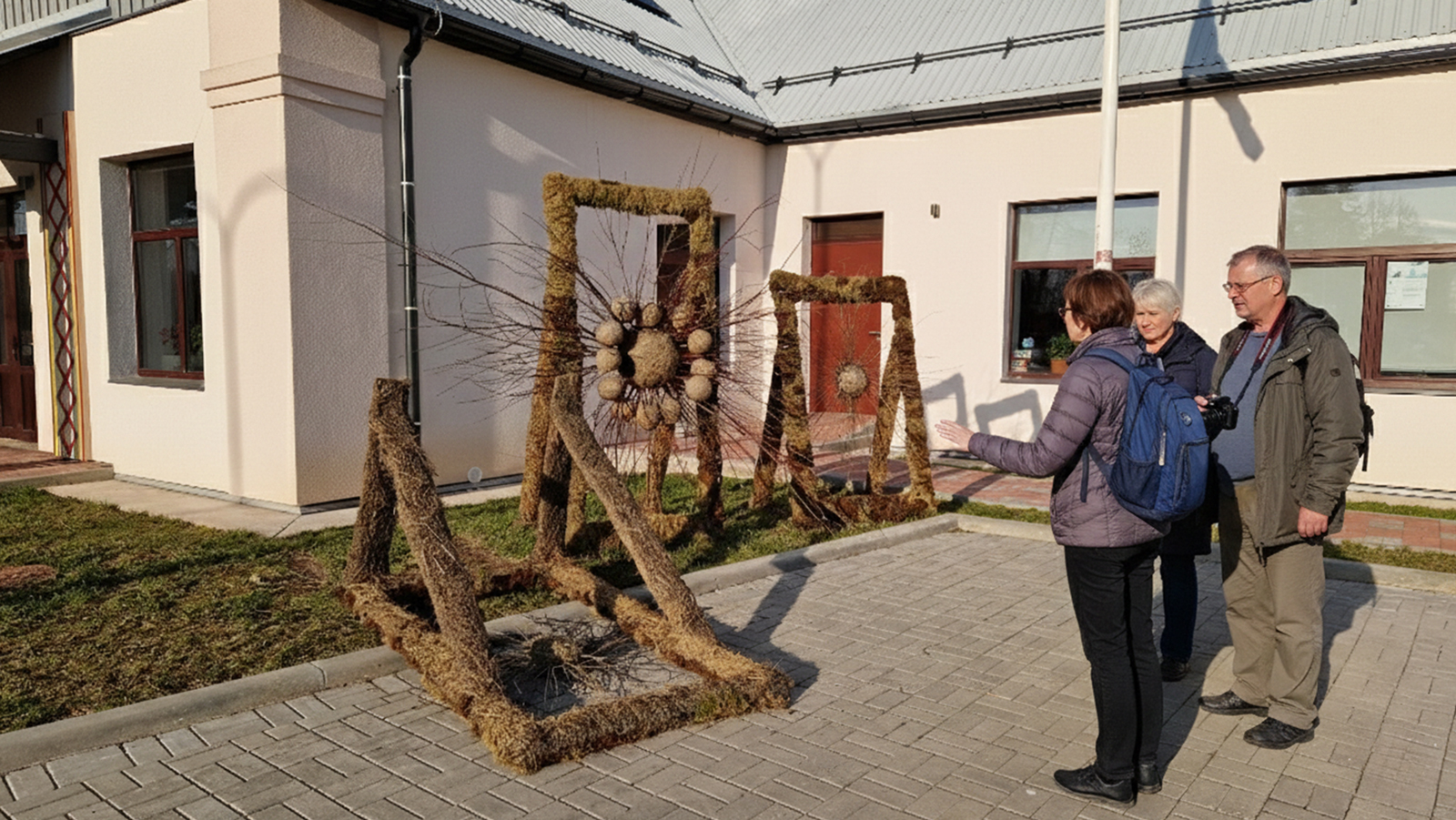
In Balvi Municipality, the route introduces the cultural and historical roots of the region at the Balvi Regional Museum, where singing traditions are presented as a vital element of local identity. The Viļaka Lake Island Trail and Viļaka Catholic Church reveal how song and spiritual culture are organically woven into the natural landscape.
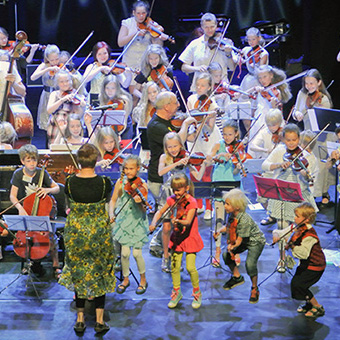
A special highlight is the Intangible Cultural Heritage Centre Upīte, where the Latgalian language, singing traditions, humorous folklore, and community music-making are actively preserved—demonstrating that intangible heritage in Latgale is vibrant and alive.
Ludza Municipality
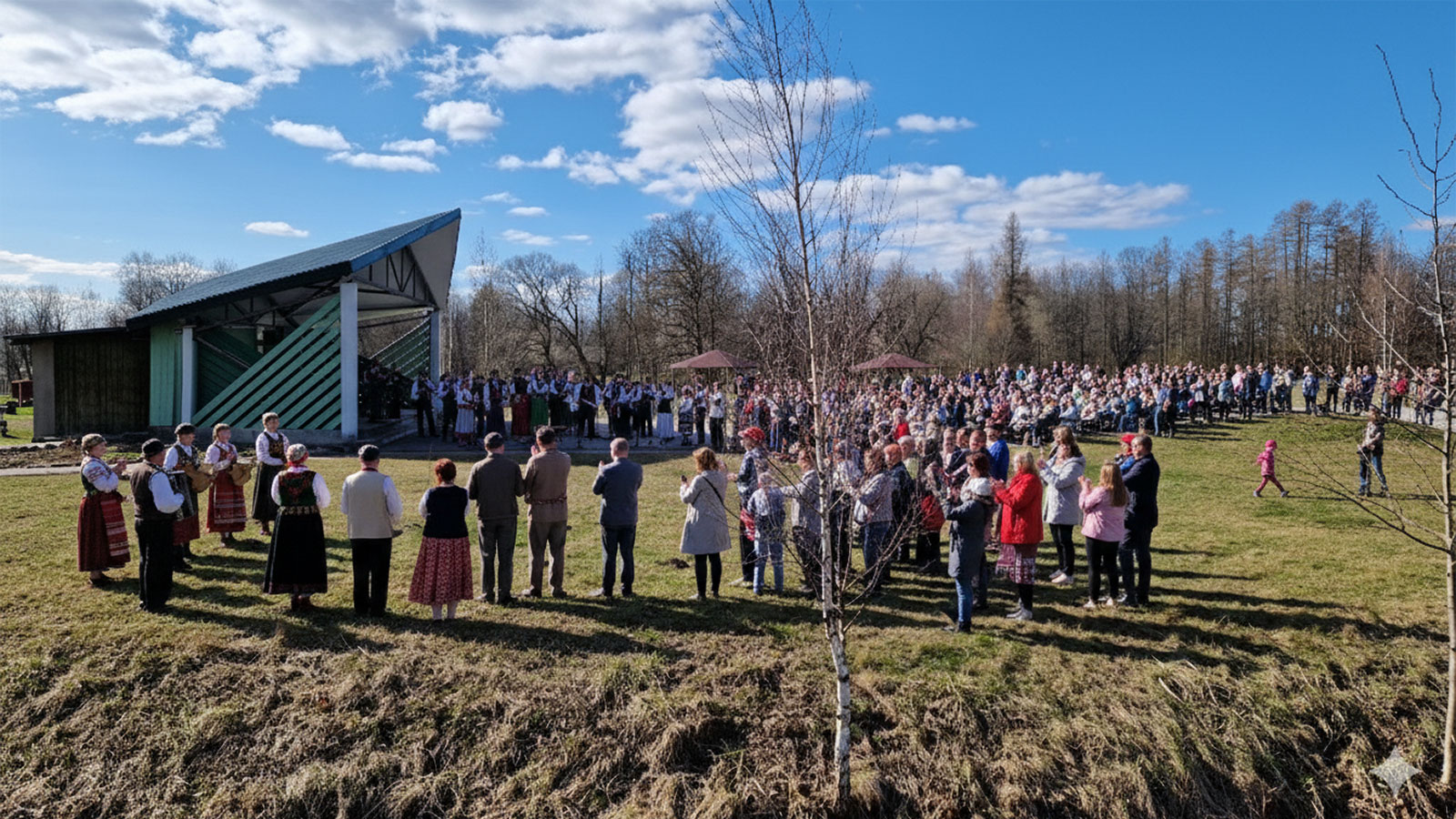
In Ludza Municipality, singing heritage is closely connected to local musicians’ traditions, especially at the Village of Musicians. It is also present in the historic surroundings of the Ludza Medieval Castle ruins and the Ludza Museum. Crafts and culinary heritage are represented at the Ludza Craftsmen Centre, the “Latgalian Kukņa”, the home restaurant “Dzīles”, and the Latgolys Šmakovka distillery.
In these places, song often accompanies storytelling, local music-making, and traditional market culture.
Rēzekne Municipality
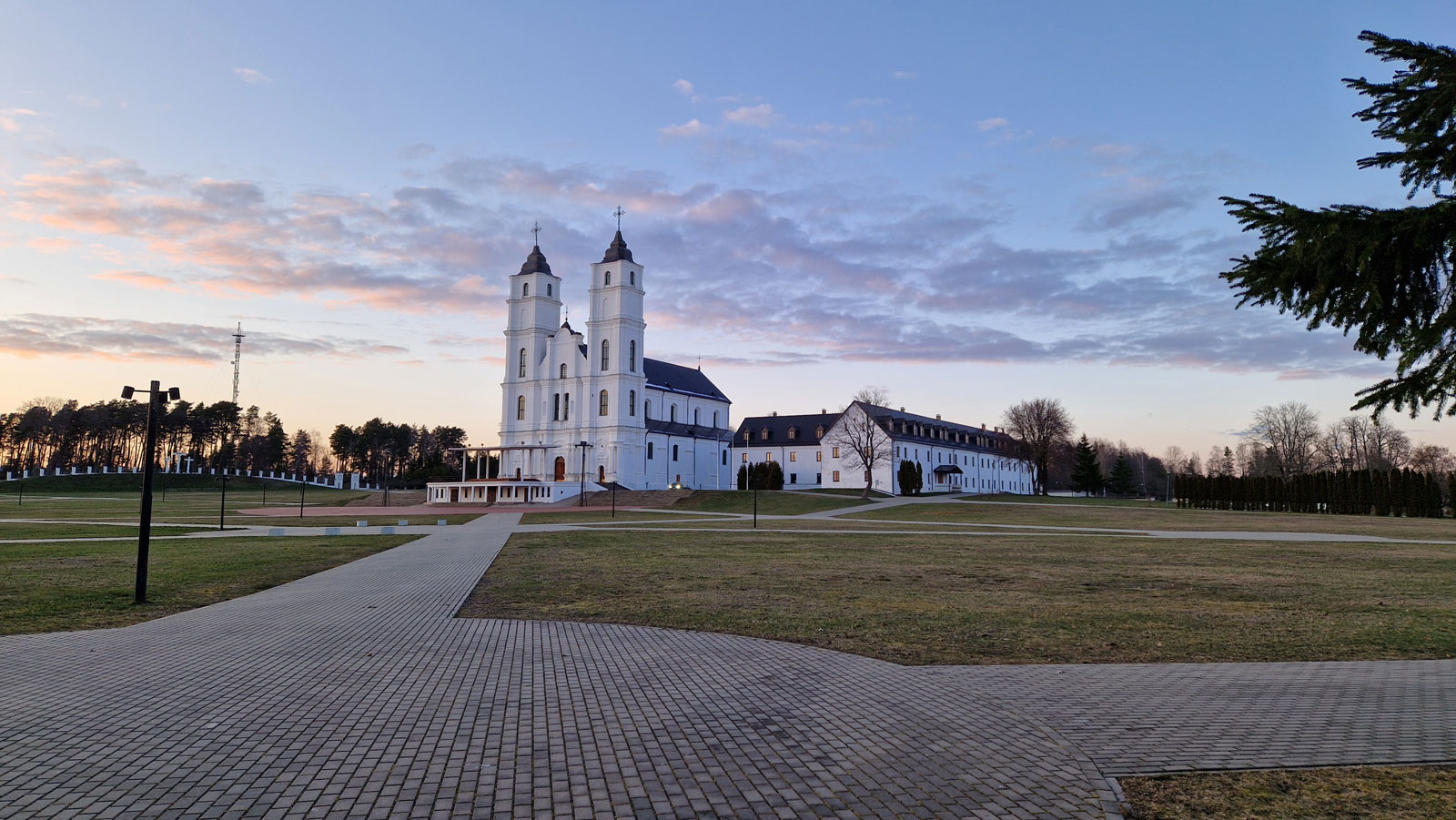
In Rēzekne and Rēzekne Municipality, the route highlights the multi-layered character of Latgale’s culture. The Latgale Embassy GORS serves as a major venue for professional music and choral concerts, while the Eastern Latvia Centre of Creative Services “Zeimuļs” hosts folklore rehearsals and tradition-based events.
The Ancient Music Instruments Museum of Gunārs Igaunis and Lūznava Manor reflect the region’s historical and musical heritage. Ceramics workshops such as “Cukrasāta” and the studio of potter Aivars Ušpelis show how singing, instrumental music, and craftsmanship together create a shared cultural environment.
Krāslava Municipality
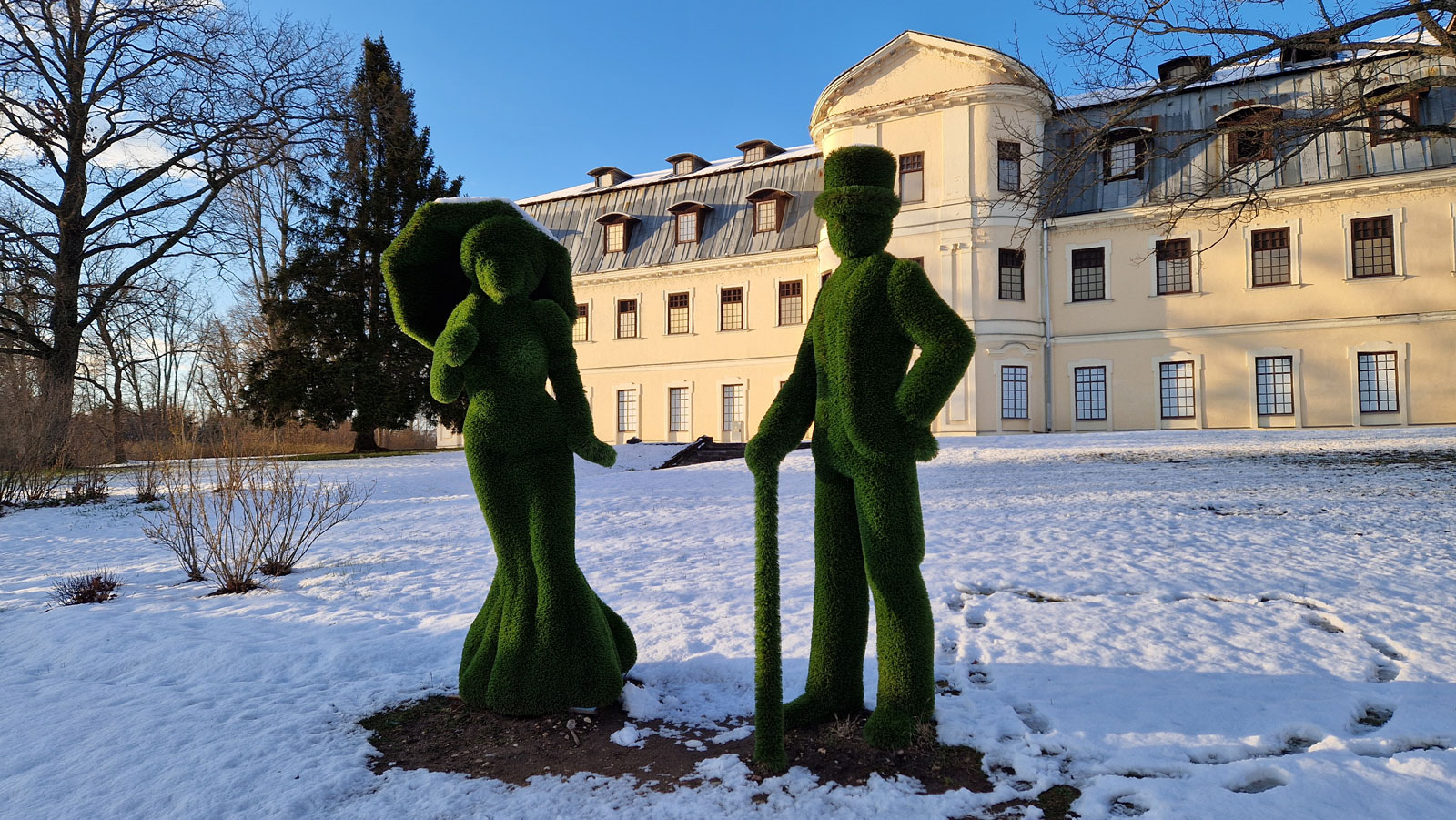
In Krāslava Municipality, singing heritage unfolds in a scenic and spiritual landscape. Important sites include Kroma Hill, Andrupene Farmstead, Krāslava Craft Centre, and the Castle Complex of the Counts Plāters, where traditional culture blends with culinary heritage and festive celebrations.
These places reflect the close connection between history, faith, and local craftsmanship. Rural farms such as “Kurmīši” and “Cīruļi” offer insight into living countryside culture, where song still accompanies daily life and annual rituals.
Augšdaugava Municipality
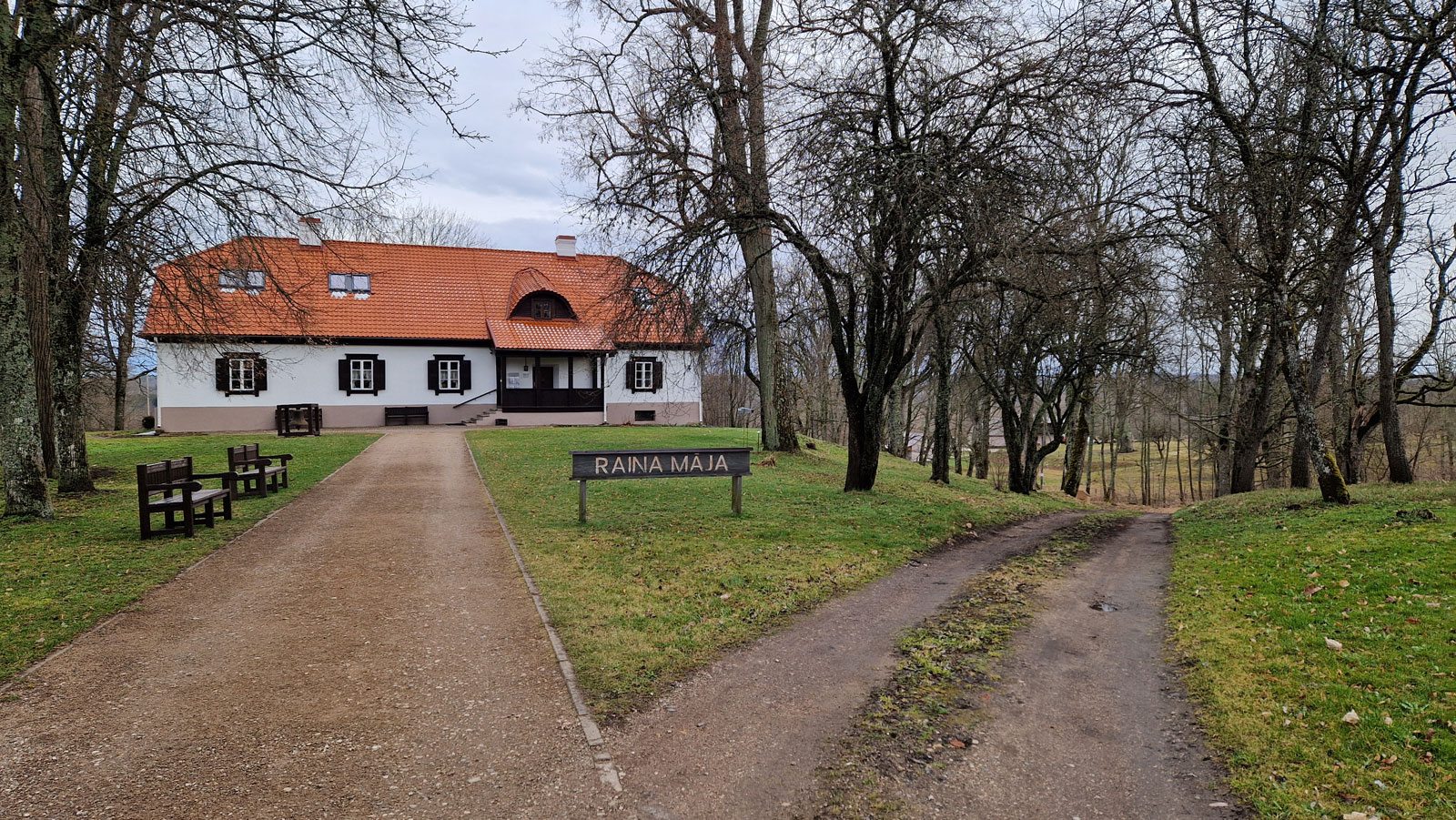
In Augšdaugava Municipality, the route is enriched by the Naujene Local History Museum, the Daugava Bends Nature Park, Old Believers’ villages, and the Rainis Memorial House in Berķenele, where culture, nature, and literary heritage create a distinctive space for singing and storytelling traditions.
Daugavpils
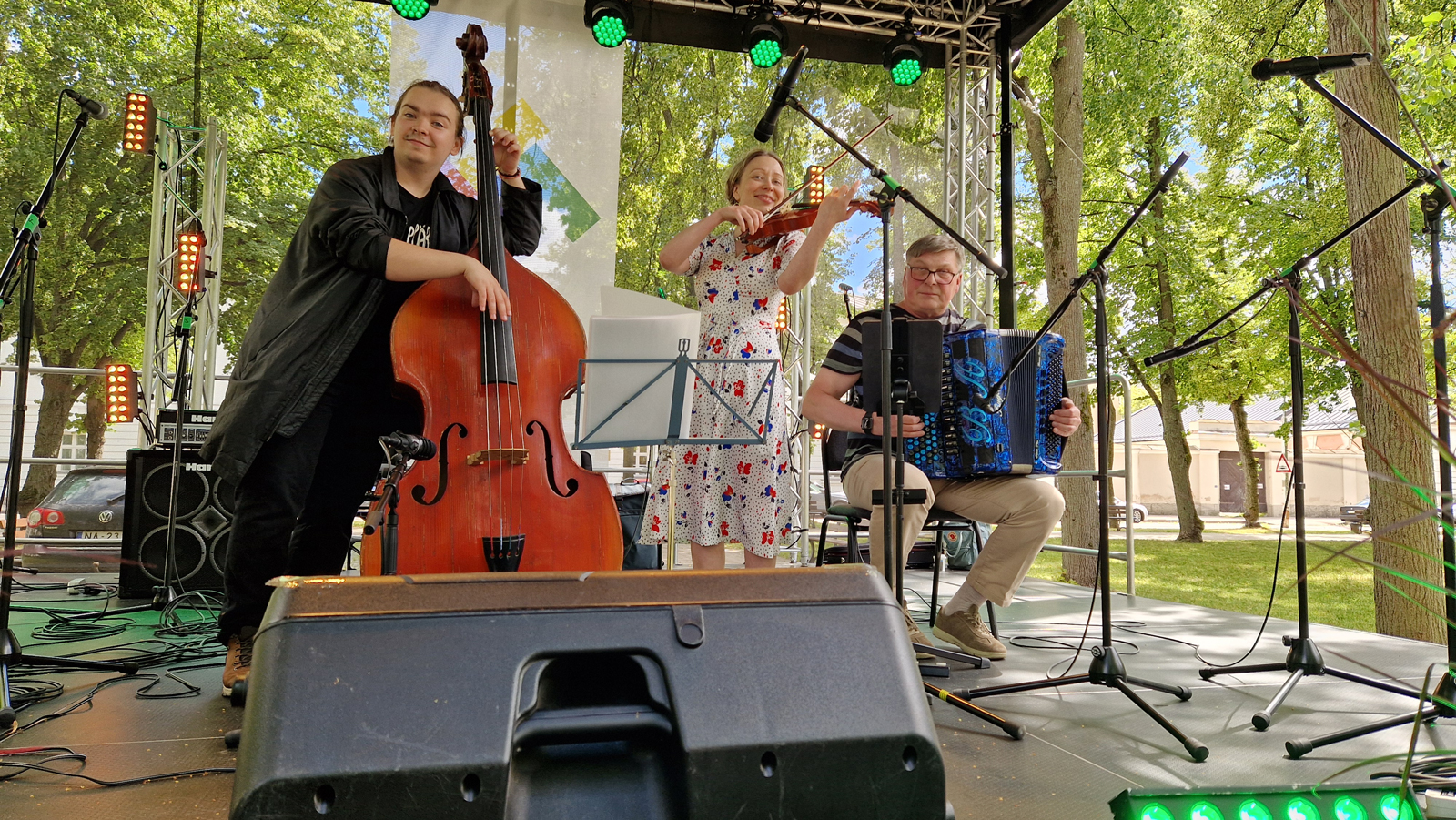
In Daugavpils, a special role within the Singing Heritage Route is played by the House of Traditions Daugavpils, located in the Unity House and one of the most important centers of intangible cultural heritage in Latgale.
The House of Traditions regularly hosts folklore group rehearsals, singing and dance evenings, celebrations of annual festivals, workshops, and thematic gatherings. It serves as a meeting place for different generations and cultures, fostering the transmission of traditional singing, music-making, and customs within a contemporary urban environment.
The route is further complemented by the Shmakovka Museum, Church Hill, Daugavpils Fortress, and the Mark Rothko Art Centre, highlighting the region’s cultural diversity and vitality.