LITHUANIA
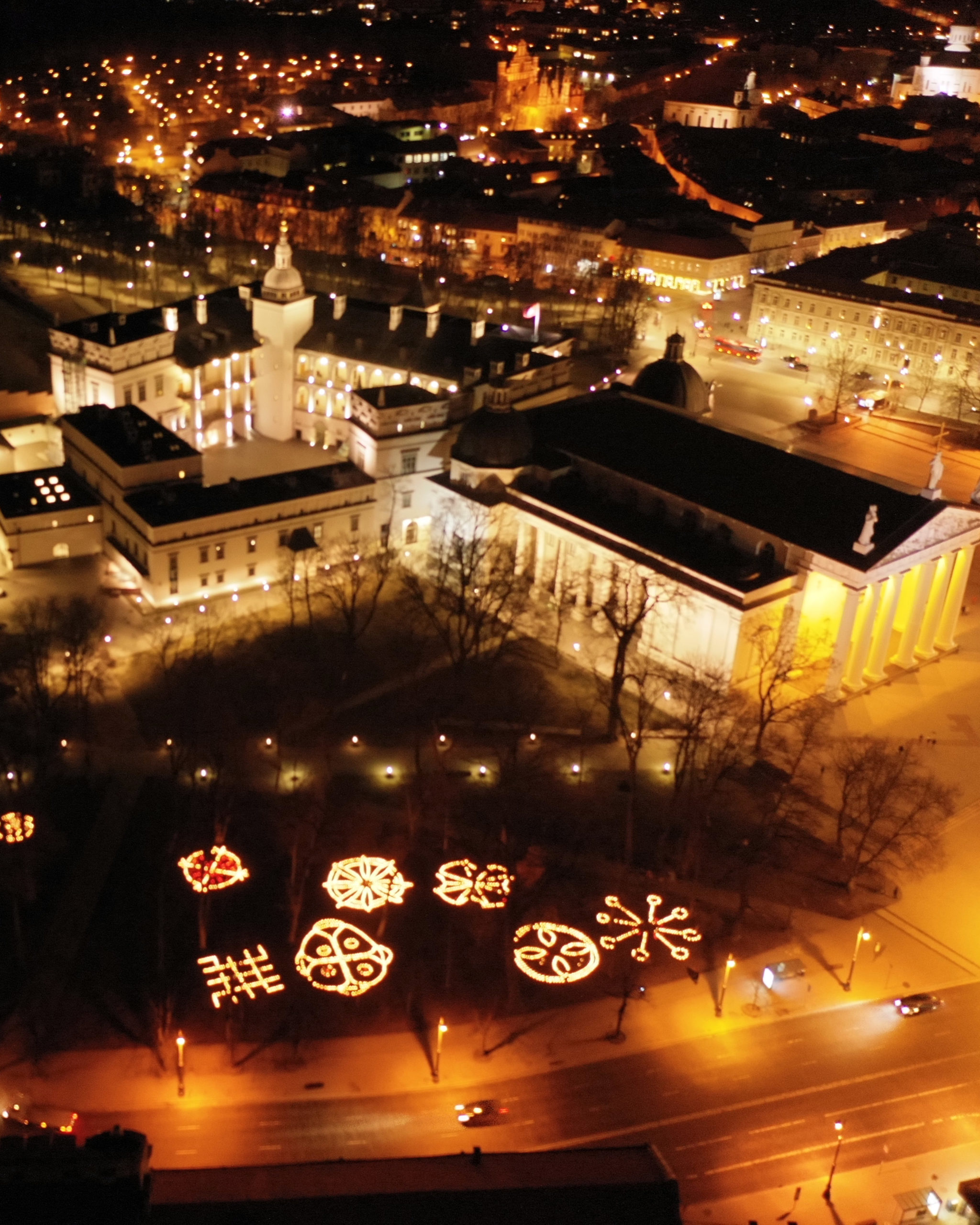
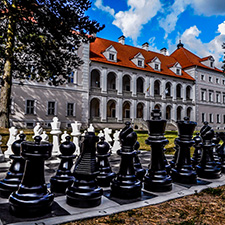
Lithuania is the southernmost of the three Baltic countries in Northern Europe, bordering Latvia, Poland, and Belarus, with a coastline along the Baltic Sea. Its capital, Vilnius, is known for its historic Old Town and rich architectural heritage. Over centuries, Lithuania developed at the crossroads of Baltic and Central European cultural influences.
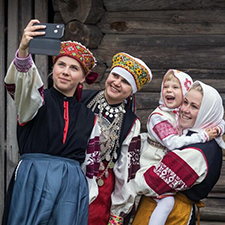
Today, Lithuania has a population of around 2.8 million people. After restoring independence in 1990, it became a democratic parliamentary republic and is now a member of the European Union and NATO. Lithuanian society combines strong historical awareness with a dynamic contemporary cultural life.
The Lithuanian language is one of the oldest living Indo-European languages and preserves many ancient grammatical features. Its roots reach back several thousand years, and the first printed Lithuanian book appeared in 1547.
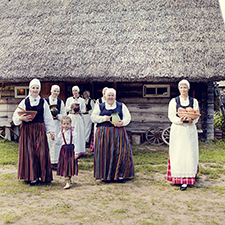
Lithuania is predominantly Roman Catholic, and Catholic traditions have played an important role in shaping national identity and community life. A distinctive expression of this heritage is cross-crafting — the tradition of carving and erecting wooden crosses and roadside shrines — recognized by UNESCO as intangible cultural heritage; the Hill of Crosses stands as a powerful symbol of this living tradition.
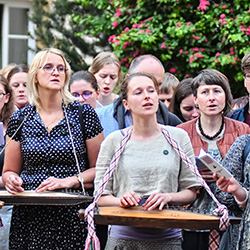
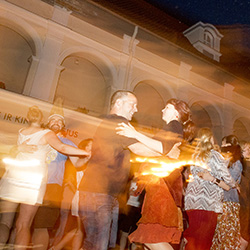
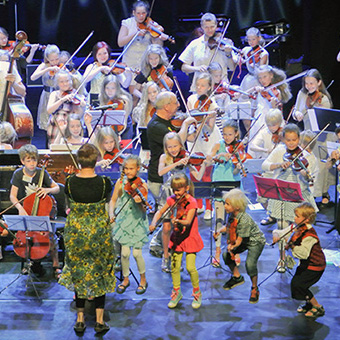
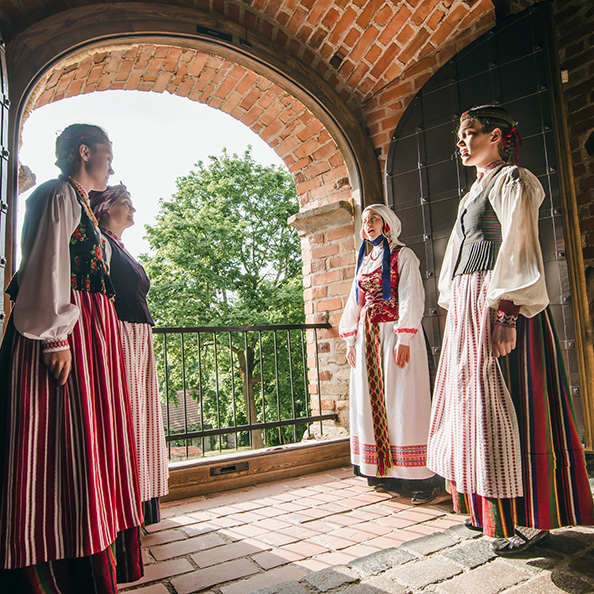
Singing and collective musical traditions also form an important part of Lithuanian cultural identity.
Nature remains central to Lithuanian life. Forests cover about one third of the country, and landscapes range from lakes and river valleys to the sand dunes of the Curonian Spit. Together, language, faith, nature, and cultural traditions shape a society where heritage and modern European life coexist in balance.