Lithuanian Singing Heritage
Lithuania is the southernmost of the three Baltic countries in Northern Europe, bordering Latvia, Poland, and Belarus, with a coastline along the Baltic Sea. Its capital, Vilnius, is known for its historic Old Town and rich architectural heritage. Over centuries, Lithuania developed at the crossroads of Baltic and Central European cultural influences.
Today, Lithuania has a population of around 2.8 million people. After restoring independence in 1990, it became a democratic parliamentary republic and is now a member of the European Union and NATO. Lithuanian society combines strong historical awareness with a dynamic contemporary cultural life.
The Lithuanian language is one of the oldest living Indo-European languages and preserves many ancient grammatical features. Its roots reach back several thousand years, and the first printed Lithuanian book appeared in 1547.
Lithuania is predominantly Roman Catholic, and Catholic traditions have played an important role in shaping national identity and community life. A distinctive expression of this heritage is cross-crafting — the tradition of carving and erecting wooden crosses and roadside shrines — recognized by UNESCO as intangible cultural heritage; the Hill of Crosses stands as a powerful symbol of this living tradition.
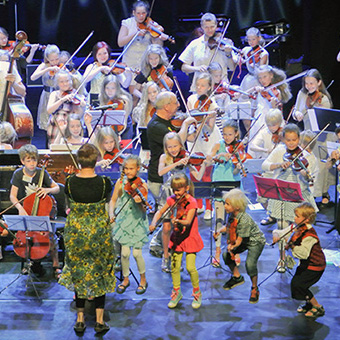
Singing and collective musical traditions also form an important part of Lithuanian cultural identity.
Nature remains central to Lithuanian life. Forests cover about one third of the country, and landscapes range from lakes and river valleys to the sand dunes of the Curonian Spit. Together, language, faith, nature, and cultural traditions shape a society where heritage and modern European life coexist in balance.

Sutartinès
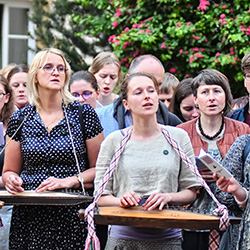
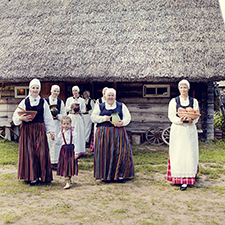
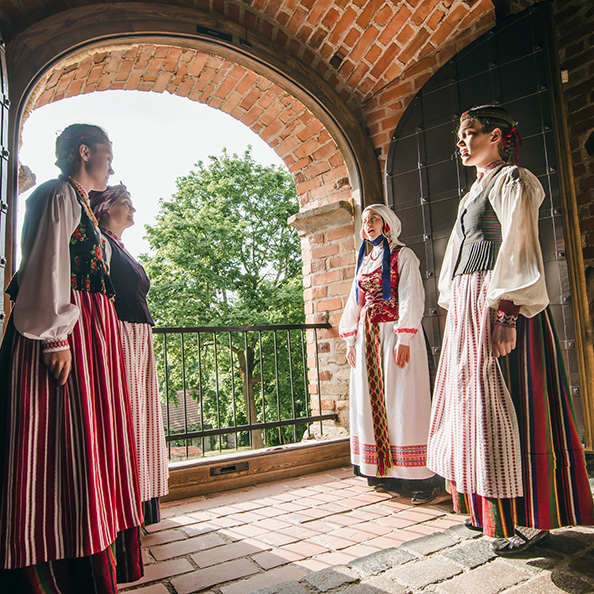
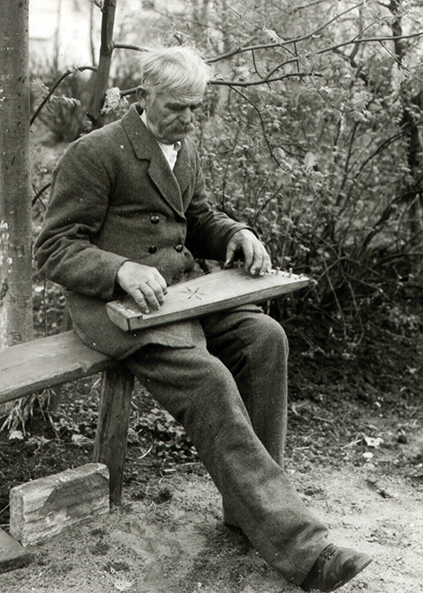
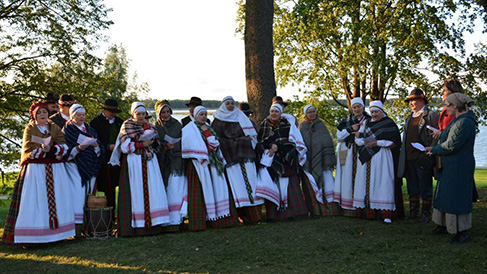
Sutartinės is a form of polyphonic music performed by female singers in North East Lithuania. It is included on the UNESCO list of intangible cultural heritage. Sutartinės are performed in solemn occasions, but also at festivals, concerts and social gatherings. The performances promote sharing of cultural values and provide a feeling of cultural identity, continuity and self-esteem.
Lithuanian Song and Dance Festivals
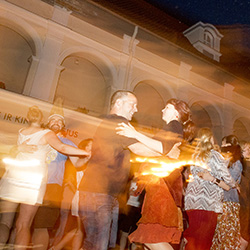
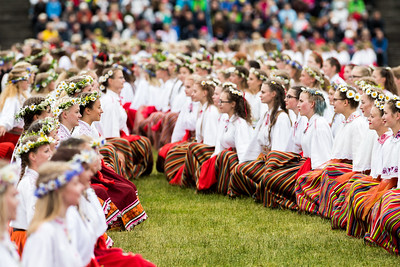
Baltic song and dance celebrations is an inspiring and unique phenomenon in itself, as it manifests the peoples need to express and renew their cultural identity, the power of civil society, and also the meaning of democracy and freedom of expression. In 1869, the first Song Celebration in the Baltics was held in Estonia (Tartu) and some years later in Latvia (Riga). From that on, the celebrations have attracted tens of thousands of singers and dancers every fourth (Lithuania) or fifth (Estonia, Latvia) year to celebrate their own culture and identity.
Singing Revolution
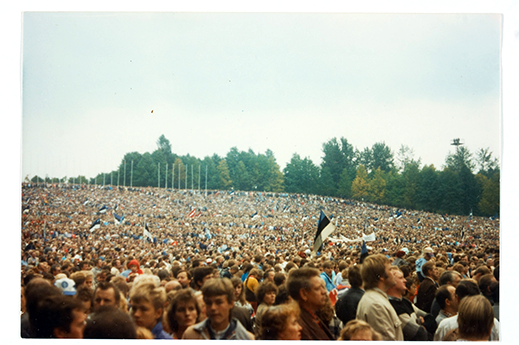
The most impressive demonstration of the power of the singing were the events that led to the restoration of independence of the Baltic states of Estonia, Latvia, and Lithuania from the Soviet Union at the turn of the 1980s and 1990s. The term „Singing Revolution“ is derived from the spontaneous mass evening singing demonstrations at the Tallinn Song Festival Grounds. The movement was largely based on the Song and Dance Celebrations, which had strengthened the sense of national identity and need for sovereignty. The concept of “Singing Revolution” is today known in the whole world.
Festivals and Events
Skamba skamba kankliai
May 26-31 2026
Pokrovskie kolokola
An International Folk Festival
International instrumental folk music festival „Griežynė“
„Griežynė“ is more than concerts. It includes shows of musical instruments and exhibitions of pictures featuring folk music performers, folklore documentaries presenting ethnographic material on customs, musical instruments’ production, meetings with the musicians, and instrument craftsmen.
Atataria lamzdžiai
4-7. June 2026. The aim of the festival is to nurture the folklore, crafts, folk art and ethnic traditions of various Lithuanian ethnographic regions.
Parbėg Laivelis
Every two years, Klaipėda City Municipality Centre of Ethnic Culture organises the traditional International Folklore Festival.
Tek saulužė ant maračių in Neringa
With this festival we cherish folk tradition, reveal unique region of Curonian Spit, present rich heritage of folk culture and distinctive nature, show a beauty of traditional life in a modern style of living.
We aim to develop diversity of traditional ethnic culture by bringing together folk groups from Lithuania and foreign countries.
Saulės Žiedas
The International Folk Contest-Festival „Flower of the Sun“
Application Forms you’ll find at festival website saulesziedas.lt
See you at Šiauliai, Lithuania!
Song and dance festival Kaunas, Vilinus
Song and Dance Festivals