NORWAY
Norway is a long, narrow country in Northern Europe, shaped by mountains, forests, fjords, and an extensive Arctic coastline. With a population of about 5.5 million, the region has for thousands of years been multiethnic and multilingual. Finno-Ugric peoples have played a central role, including Finns in the southeast and north—such as Forest Finns and Arctic Finns (Kvens)—alongside other groups such as the Sámi.
In East Finnmark, on the border between Norway, Finland, and Russia, this unique blend of cultures and histories is visible everywhere. Neiden (Näätämö) lies only about 10 kilometres from Finland and close to Norway’s Arctic Ocean, highlighting the region’s strong cross-border connections.
Finno-Ugric peoples at the top of Europe
The northeastern corner of Norway, East Finnmark, has for centuries been a meeting place of peoples, languages, and livelihoods across borders. Long before modern nation-states were formed, Scandinavian, Karelian, Finnish, Sámi, and Skolt peoples adapted to a demanding natural environment and established communities based on fishing, small-scale farming, reindeer herding, and trade.
The Finno-Ugric cultural presence remains deeply rooted in the region, particularly in places such as Kirkenes, Vadsø, and Bugøynes. All these places also have Finnish names: Kirkonniemi, Vesisaari, and Pykeijä.
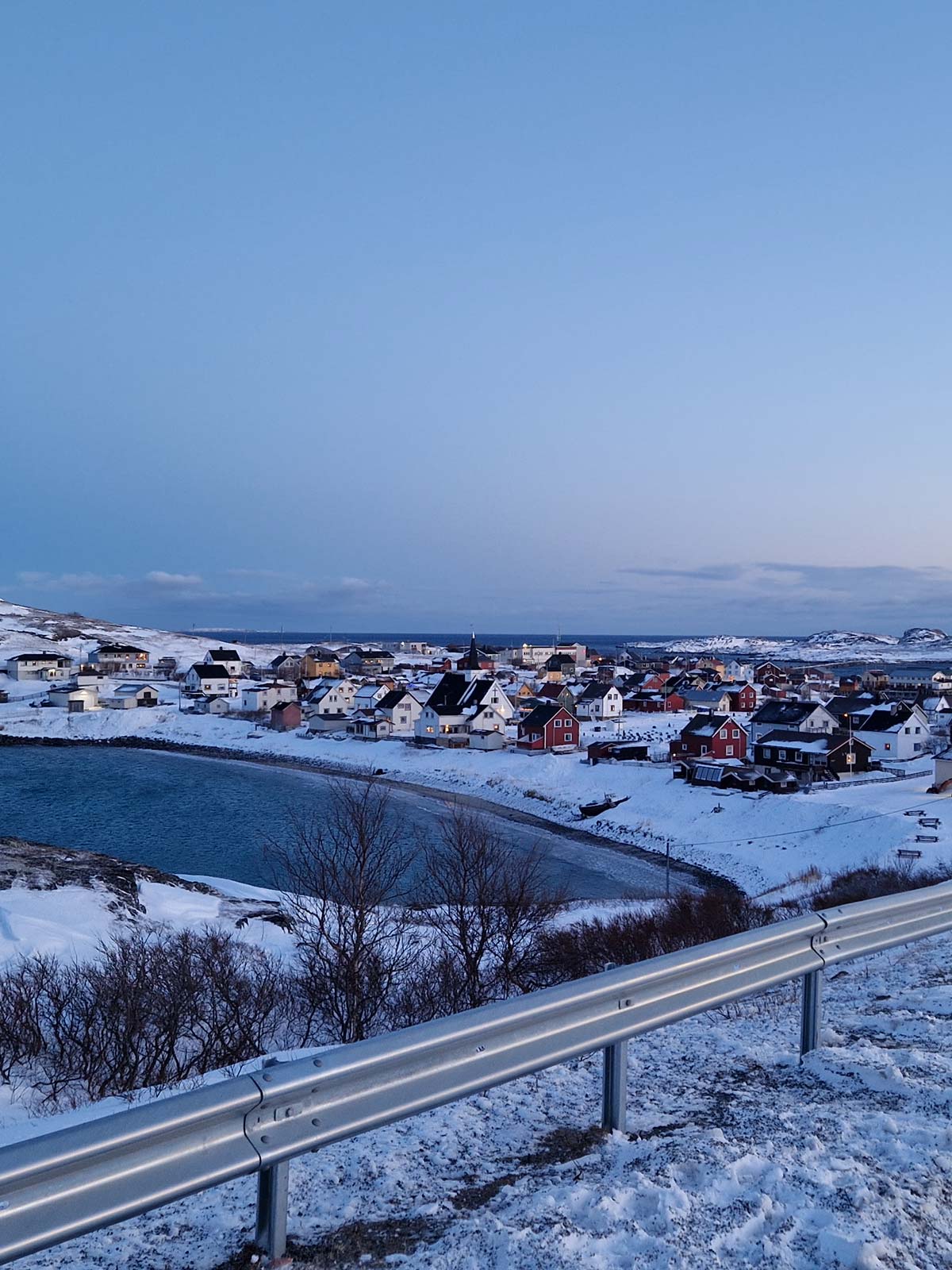
One of the most distinctive expressions of this heritage is found in Bugøynes, a small coastal village often referred to as Pikku-Suomi (Little Finland). Bugøynes is unique in Norway for its strong and continuous Finnish and Kven cultural identity.
For generations, Finnish was the dominant language of everyday life here—spoken at home, sung in songs, and carried through oral tradition—well into the 20th century. Despite assimilation policies, local families preserved their language and customs.